Being born and raised in New York City was the greatest gift for a creative mind. I spent my childhood exploring the city for its beauty and art without even realizing. I would walk down the street and be drawn to the murals on the wall, watch Gossip Girl be filmed from my apartment window across the street, attend the MET for a field trip, or hear a live band performing as I walk home from volleyball practice.
My parents recognized something in me early. They didn't ask if I wanted to explore art and creativity—they made sure I had every opportunity to do it. So I tried everything. Volleyball, tennis, surfing, dancing—if there was a sport, I played it. I took piano and singing lessons. I started going on auditions and found a love for acting. I was the theater kid, the one on stage without hesitation. In high school, I took AP Art and was a part of the school play. Each skill fed into the others. Dancing taught me rhythm and body awareness. Sports taught me discipline and resilience. Music and visual art taught me how to translate emotion into form.
My Story
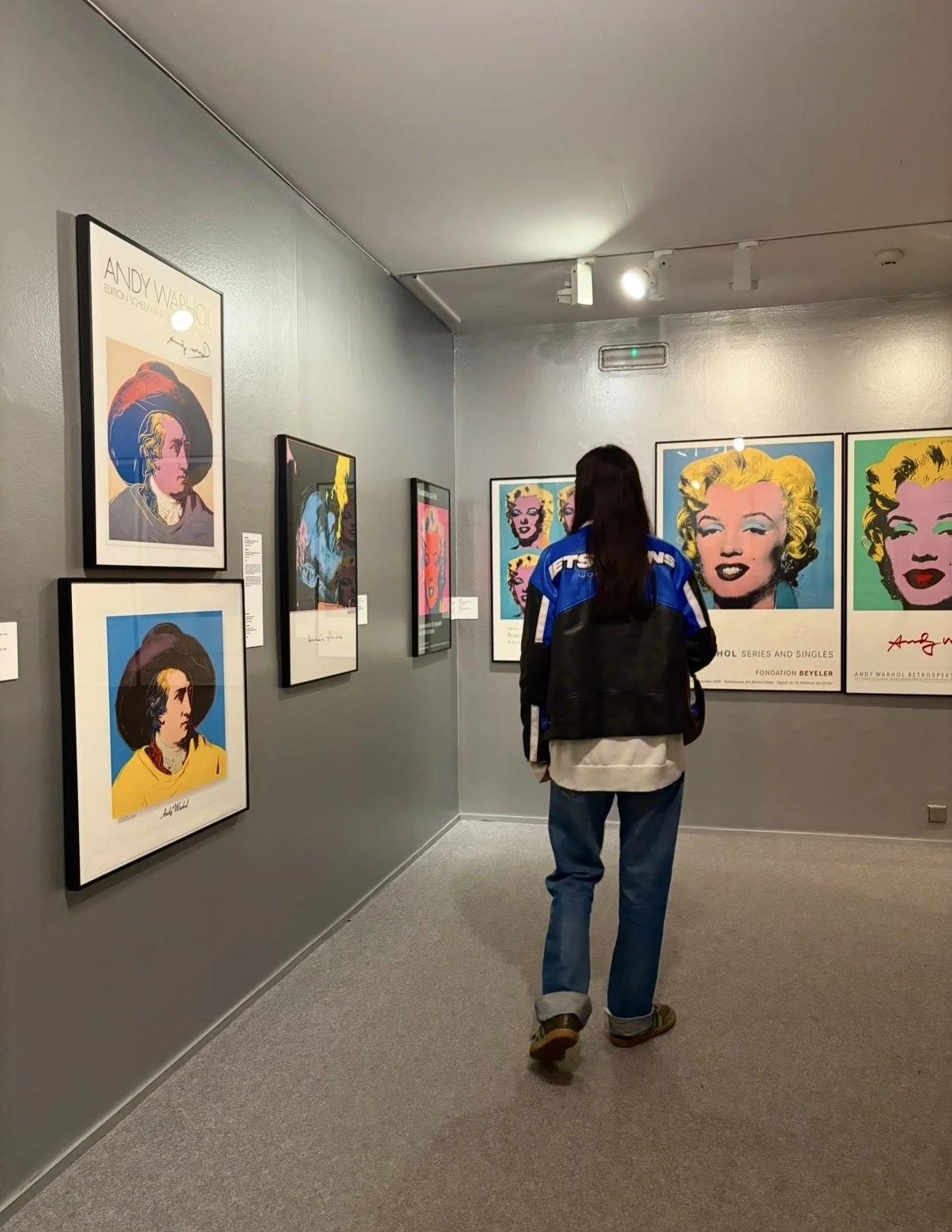
Like many middle children, I embodied the stereotypes—creative, adaptable, independent. But inside the classroom, I struggled. My mind worked differently than the traditional structure allowed. One day in elementary school, my teacher pulled me aside after class. She asked to see my notebook. Confused and afraid I had done something wrong, I tentatively removed it from my backpack. I opened it up as instructed, revealing a series of drawings detailing the plot of ‘Wonder,’ the book we were currently studying. She flipped through the pages, her eyes widening. “Ok, Gabby,” she said in a revelatory tone, “I would like you to complete your next book report using images - illustrations, video, you choose. Good luck!” She smiled and walked away. That moment of understanding how I learn best changed my life.
When I presented my book report as a movie to the class the following week, I felt confident in a way I had never felt inside a classroom before. From then on, I used visuals to aid all aspects of my academic life. I created storyboards to outline papers, diagrams to solve math problems, color-coded frameworks to memorize scientific concepts. Simply put, I needed to SEE it to understand it.
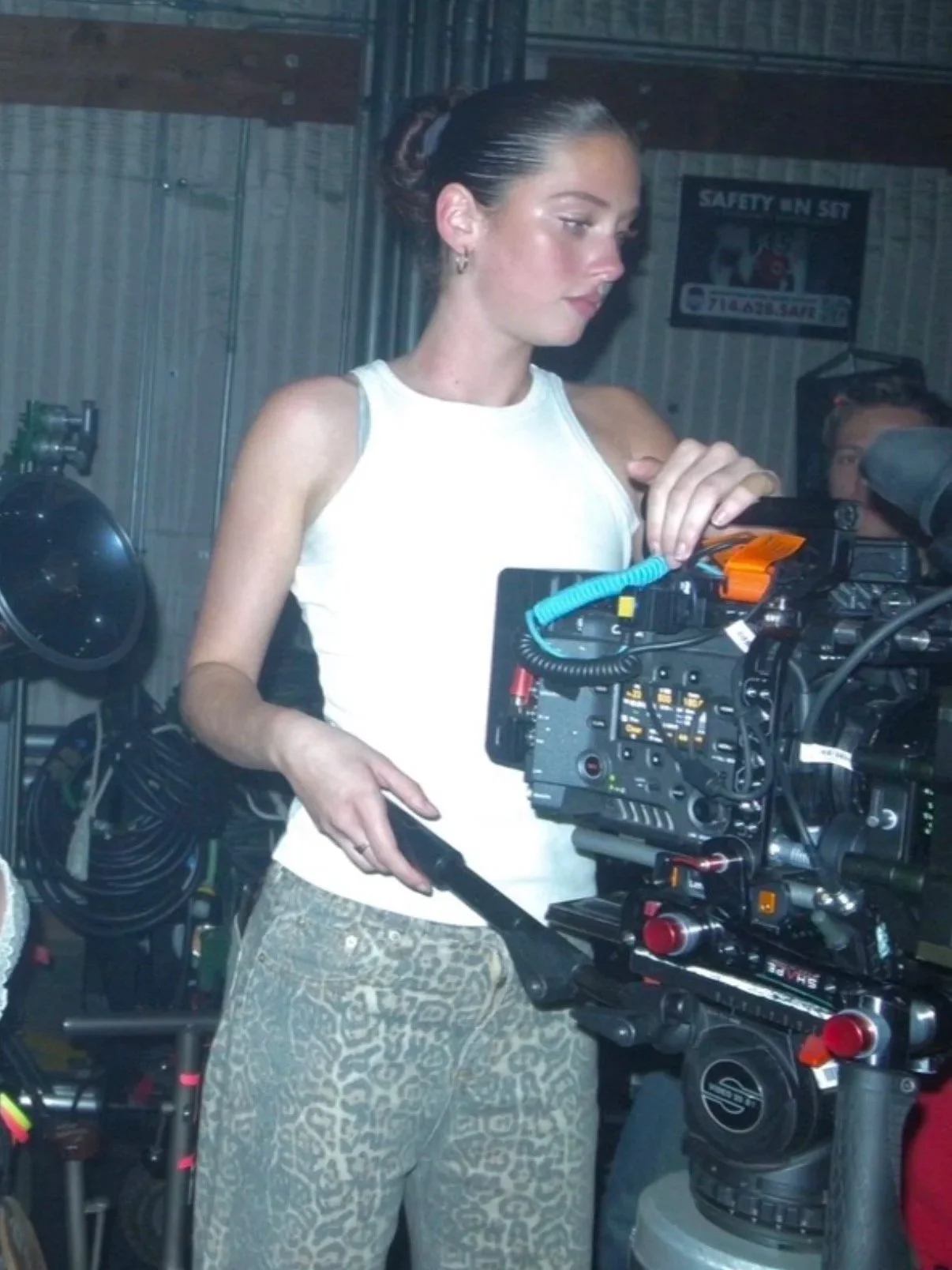
It was not long before I fell in love with film and the visual arts as a medium of expression. I was no longer in a realm where I needed to adjust my way of thinking to fit the standard mold of another individual. Communicating through a visual medium felt natural. By the time I was fifteen, I was capturing most of my life on camera. Every experience became an opportunity to play with representation - to use a new camera lens, to experiment with light, a new editing technique.
This passion deepened in college. I stopped making films just to make them beautiful; I started making films that demanded something of the audience. I created work about society, about feminism, about the conversations we need to have. But the real catalyst came during COVID, when I was forced to slow down and look inward.
That year, an online film course changed everything. I directed, shot, edited, and presented my first complete short film—the entire creative process, entirely my own. Simultaneously, I channeled that same creative energy into another project. I combined my love for fashion with my passion for sustainability and started a company where I hand-painted trending designs onto thrifted clothing. Two very different mediums, but the same impulse: taking something existing and transforming it through my unique vision. When I was younger, I did not understand the power of viewing the world differently. Today, I have come to appreciate my divergence. It is the wellspring of my creativity. It is the unique lens I bring to the world.
“Imperfection is beauty, madness is genius, and it’s better to be absolutely ridiculous than absolutely boring.”